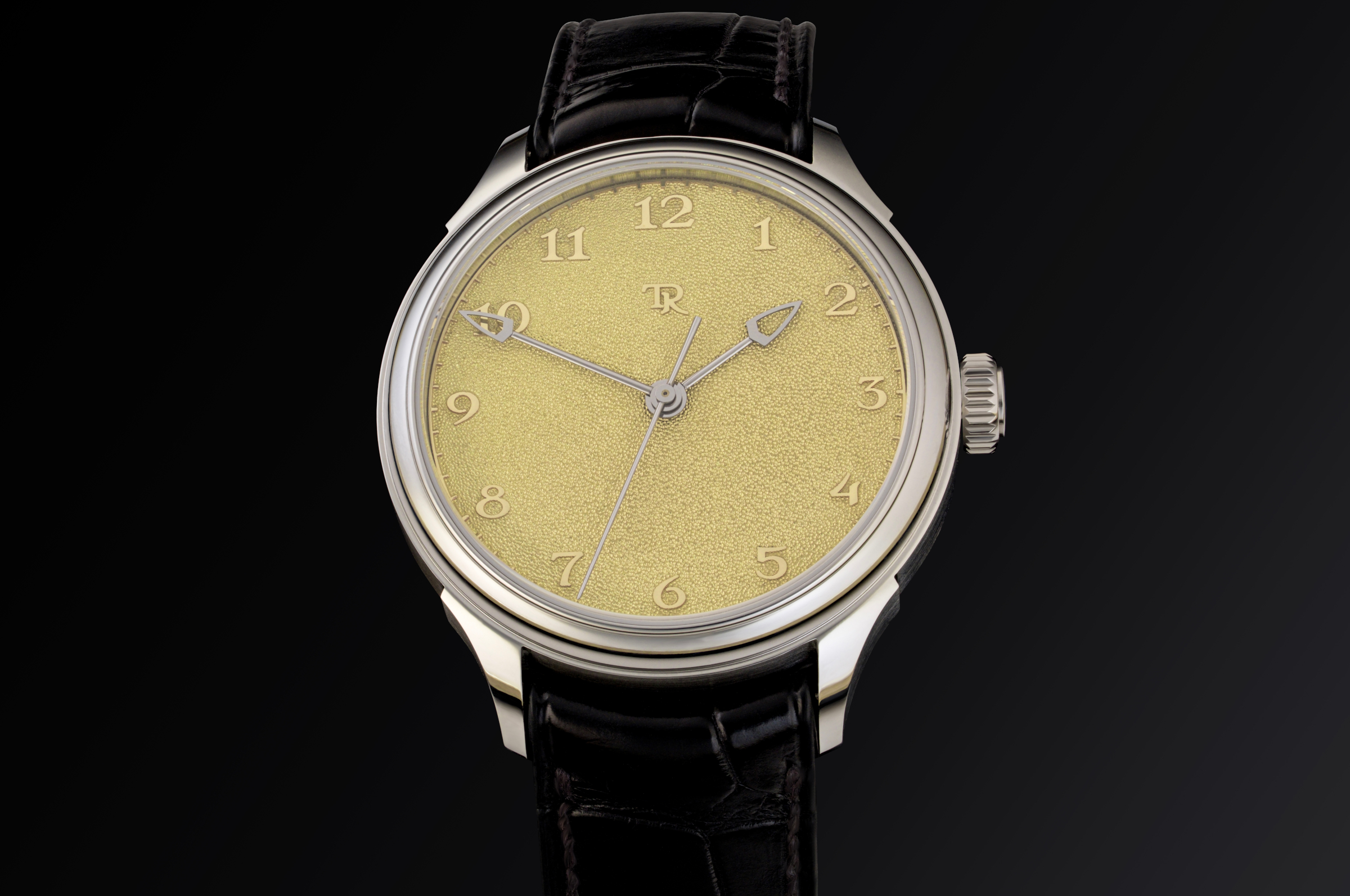
Mr Tsoroev is maturing as a watch maker, yeah I know that it sounds a little odd to say that about a 26 year old man but he has already 11 years experience under his belt. His recent Arrow collection was well received in the independent watch fan of our community both from the quality and the value offered. Well that model has been refined, evolved you might say. And it has been refined everywhere. Case, dial, hands and movement have all benefited from Rashid’s accumulated experience and lessons learnt. More on that later but now for the details.
Design and Watch Specifications
316L stainless steel, 40mm x 9.85mm, 3 hand (time only), Hand finished case and dial, sapphire front and back, 30m water resistant,leather strap and pin buckle
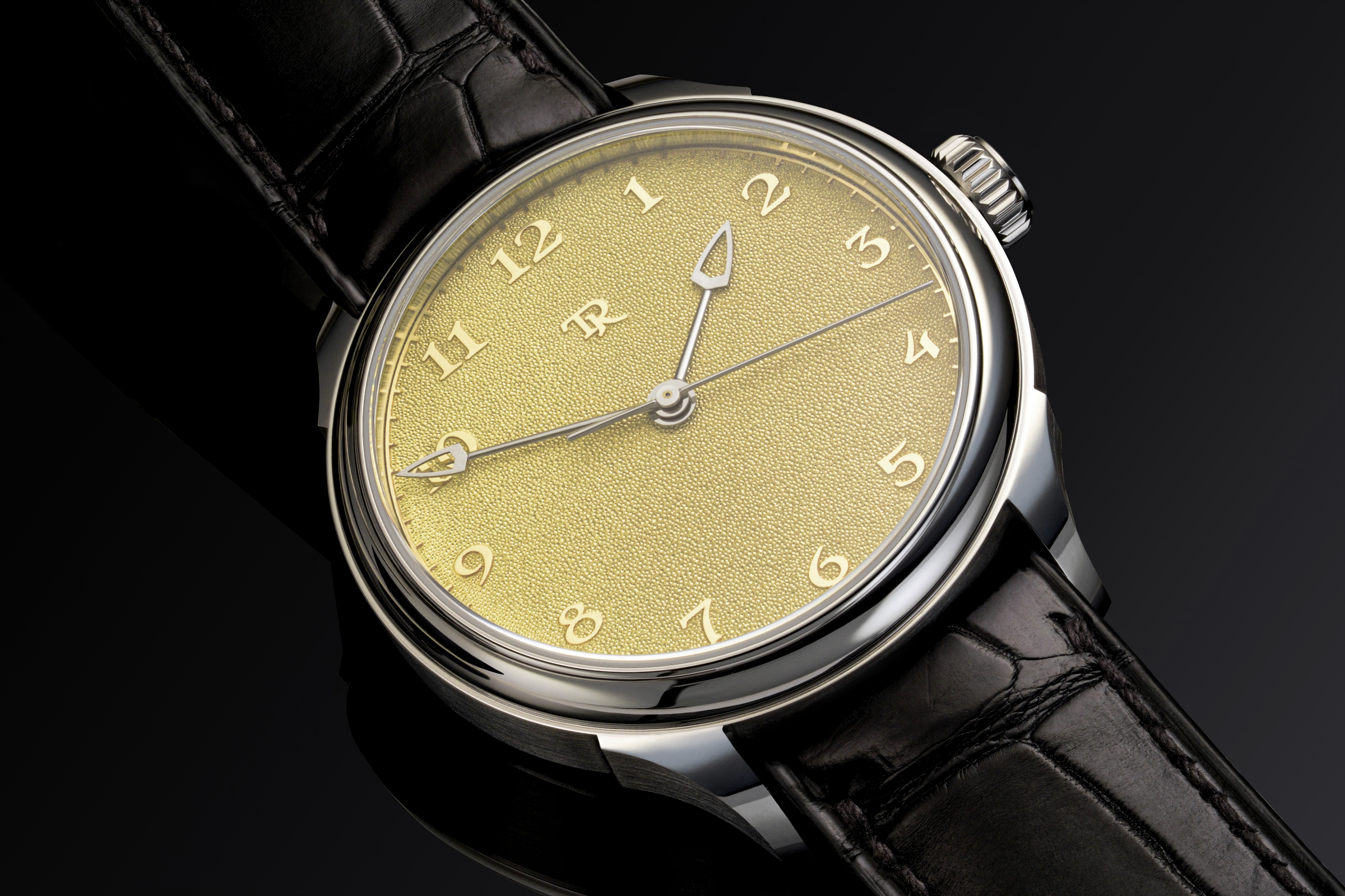
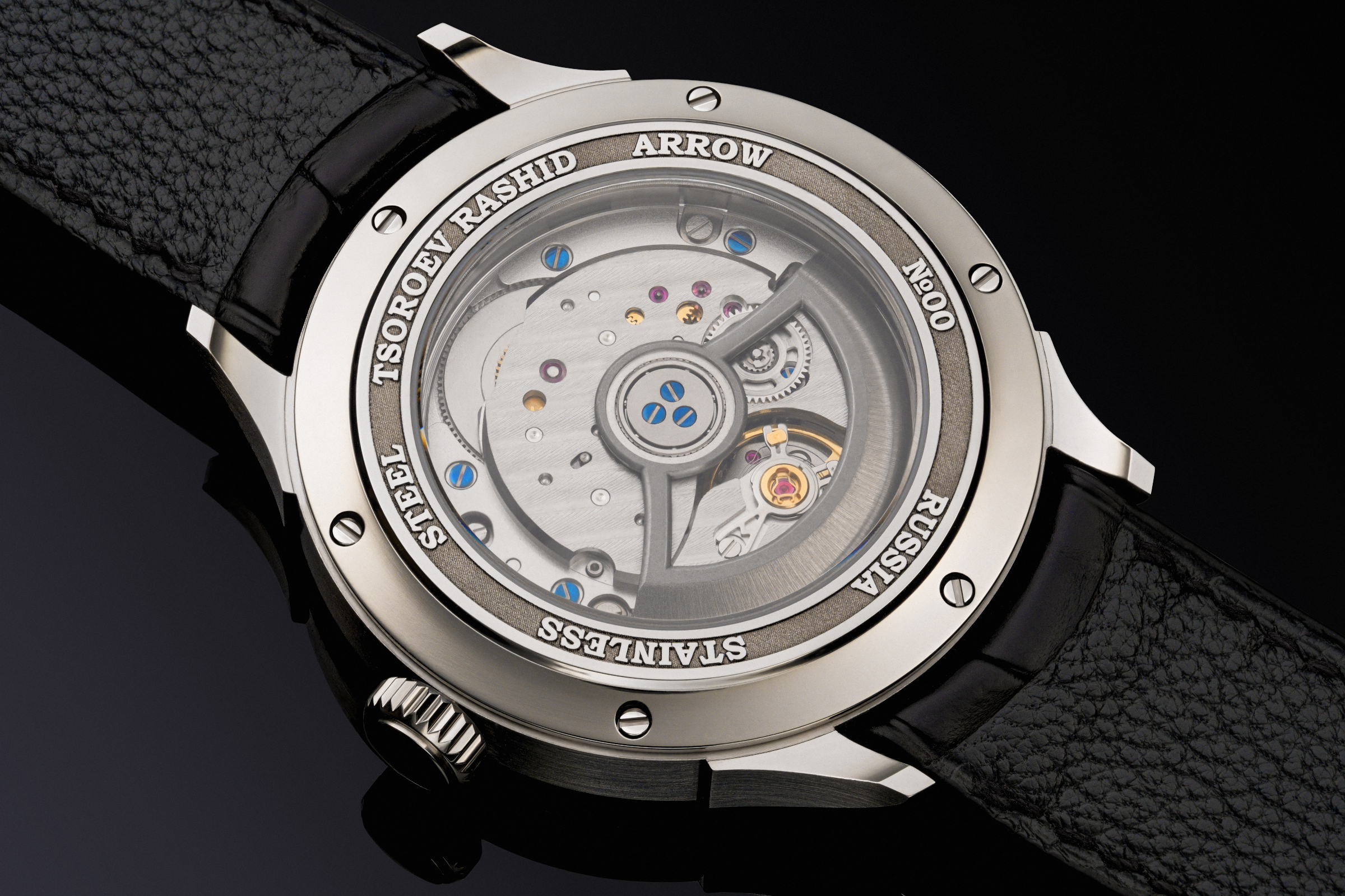
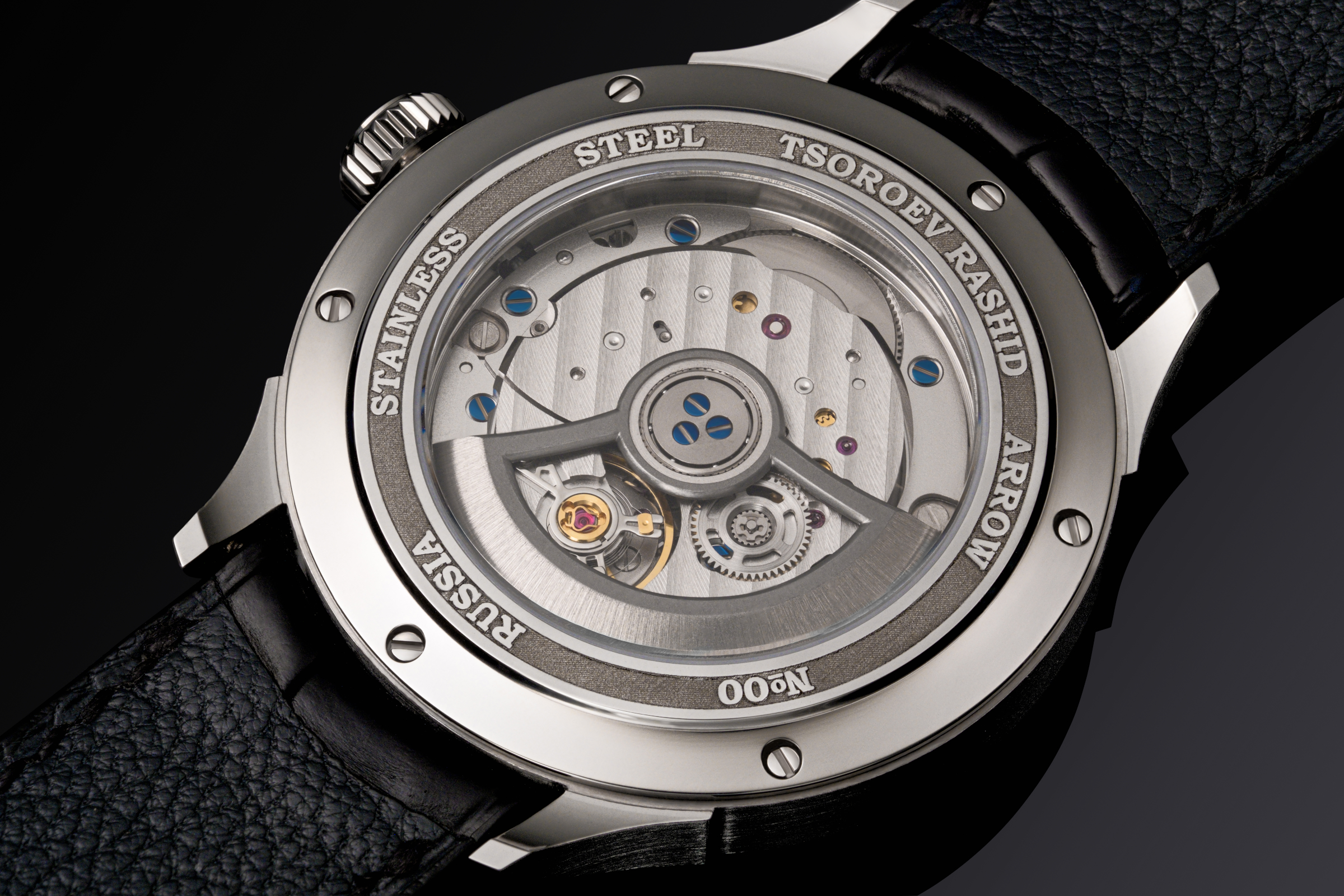
The case is is an elegant and modern 40mm wide sub 10mm thick round case with stepped out lugs that have the appearance of being welded on. Sides are brushed including between the lugs while the tops of the lugs and the convex bezel are highly polished. The boundaries between the two finishes are crisp as a result of special jigs he makes to hold each case securely and carefully during finishing. Of course the magic ingredient is “careful time consuming work”. This is a theme for Rashid’s work. Time, no pun intended, is spent to achieve the highest standard he can with hand tools in his small workshop in Magas a city in Ingushetia, in the Northern Caucasus of Russia. The case back has a negatively engraved frame around the sapphire display window with the words Tsoroev Rashid, Arrow, the serial number, Russia, Stainless steel. The font used and the negative engraving with blasted background is a nice upgrade to the “normal” display case back window. Again, at risk of sounding like a broken record, the attention to detail makes this watch stand apart. The crown is deeply grooved and a good size to be functional.
The hands are, well, hand-made. Solid pieces of high carbon (read hard) tool steel are cut, skeletonised and finished by hand. Finishing included rounding the stems, skeletonising the arrow head tips (a distinction from the earlier Arrow series), high polishing the tops and brushing the sides. The labor intensive processes result in hands that would not look out of place on more expensive brands from makers that have inspired young Mr Rashid (Smith, Asaoka, Voutilainen, etc). This level of finishing is not all about vanity either, the contrasting finishing improves the light reflection and diffraction producing better legibility. This style of watch in my opinion would not look nice with lume so the traditional method of contrasting polish is not only beautiful to look at, it is also functional. Think of Grand Seiko, Vacheron or Fears where polish and light play is also deliberately and carefully used to aid legibility.

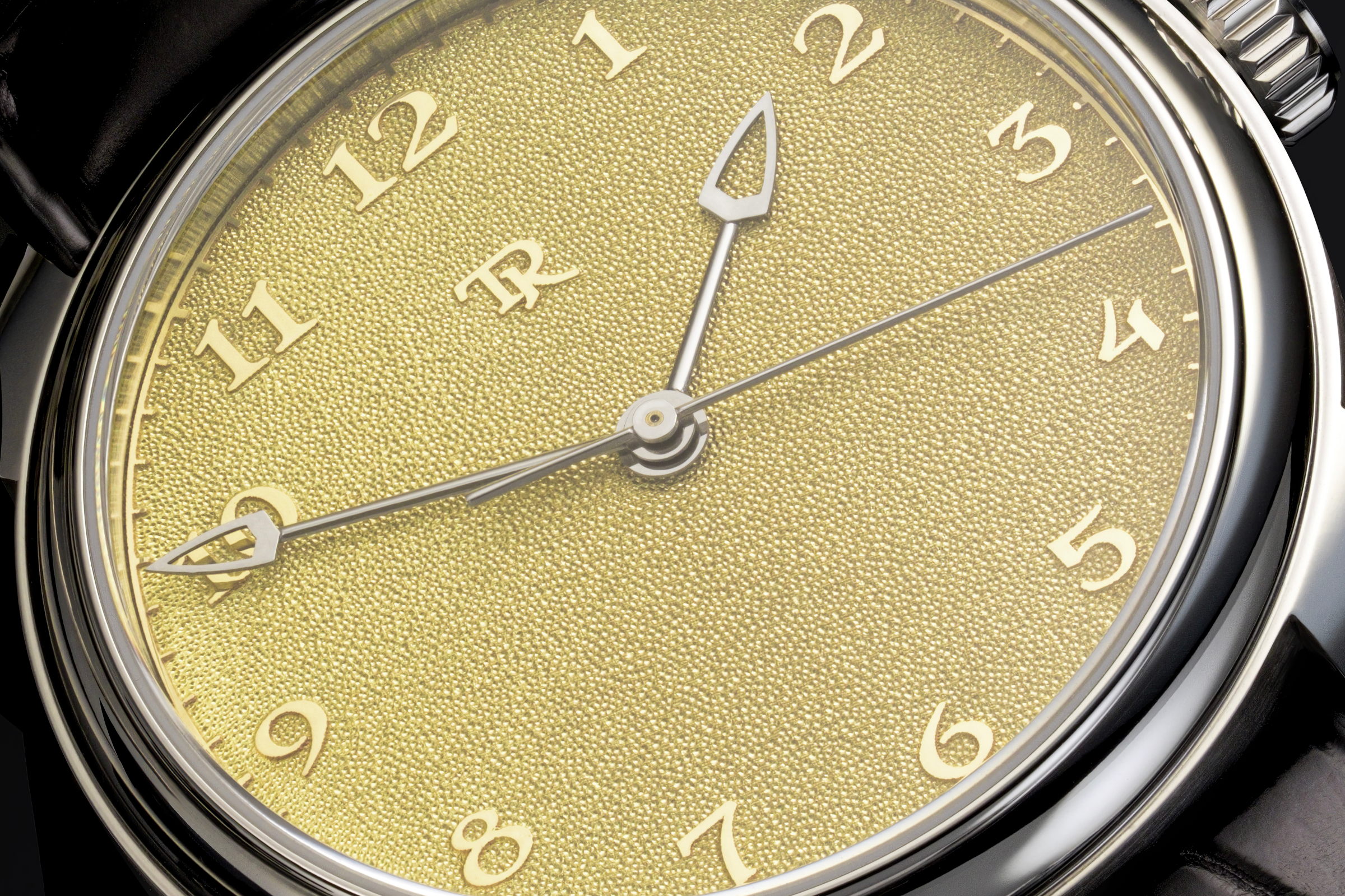
I’ve saved the star of the watch till last, deliberately so we didn’t overlook some of the other details but now lets review the dial. Rashid takes a solid brass dial plate that has been stamped to provide a minute track and indices that sit atop the plane of the dial and then shipped to his small workshop. He then spends 3 days, yes 3 days per dial, hand cutting to size, applying minute impressions from a tool he made , one by one under his masterful gaze. Rather than hammering in traditional tremblage manner, Rashid uses hand pressure to create the impressions resulting in clear indents and no dial warping. Each and every impression is applied under tight visual control to ensure the end result is an extremely three-dimensional effect of “evenly uneven” or pebble-like finish as if viewing a section of Brighton beach from 50m above. The effect is rather special and again in keeping with traditional methods of improving legibility it will not reflect light and so enables the highly polish hands and indices to stand out against this matt background. Perhaps the closest to this I’ve seen (admittedly only in pictures) is the Lange 1815 Tourbillon Handwerkskunst. This is that good!
Movement
LJP G100, automatic, 68-hour PR, 24 jewels,28,800 bph (4Hz)
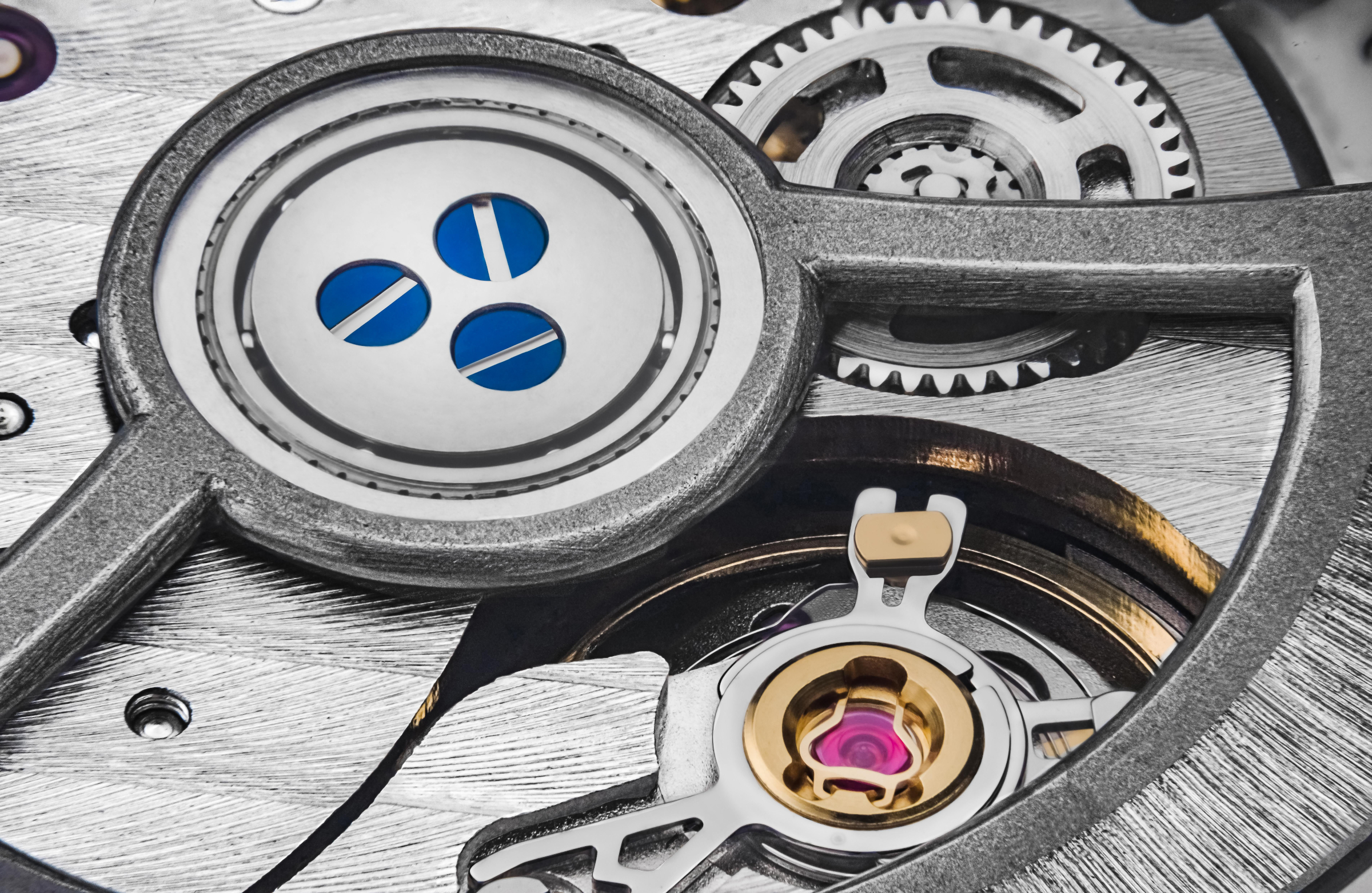
La Joux-Perret S.A. is a Swiss-Japanese company, since Citizen purchased them. This is giving us, the consumers, a really great best of both worlds scenario combining watch-making power houses to provide robust, reliable and affordable movements. It is built off the Miyota 9015 to be a drop-in movement competitor to the venerable ETA 2824 series. In fact it has much longer power reserve. It is the same width as the 2824 but slightly slimmer. Accuracy is +/- 12 s per day at the lowest grade out of the box. Of course Mr Tsoroev doesn’t leave things as “out of the box”. Firstly he finishes the movement, cleaning up bevels and overall appearance and regulates the. Then he does something rather surprising, considering his scale of manufacturing operation (ie one man and a shed style with a small selection of tools). He skeletonised the tungsten winding rota. Now that at first read sounds a bit like yeah ok, so what? Then you remember that tungsten is an alloy designed to be harder (and therefore more brittle and not only denser) than regular hard steels. It is not a metal made for hand finishing. Only big manufactures like Rado finish tungsten. The aesthetic is all the better for this additional touch allowing a better look at the movement.
Price & Availability
US$5,000, 30 pieces, directly from Rashid Tsoroev
Ok so $5,000 is not nothing, its a descent chunk of change. But in the watch game, which could be considered as slightly weird first world obsession, $5,000 – $10,000 is really only entry-level-luxury (as distinct from entry-level and luxury watches). Having accepted a mechanical watch as functional luxury art, what art do you get for your $5,000? For this price you are getting at least 7-8 full days of hand crafted work for the dial, hands and rota alone that means man hours at the bench, tools, repairs of said tools, food and water for the watch maker, paying suppliers and allowing the business to make a profit and succeed. Then there is Qc, assembly, final QC, regulation and so on. Compared to other offering in the “Indie” market its a fair price. Not the cheapest but not the most expensive. What is worth repeating though is this is a one person creation. This is not just assembly of components straight out of the box from mass producers and as such this will carry a higher cost. A premium you might say? I would say not, its just the cost, of art.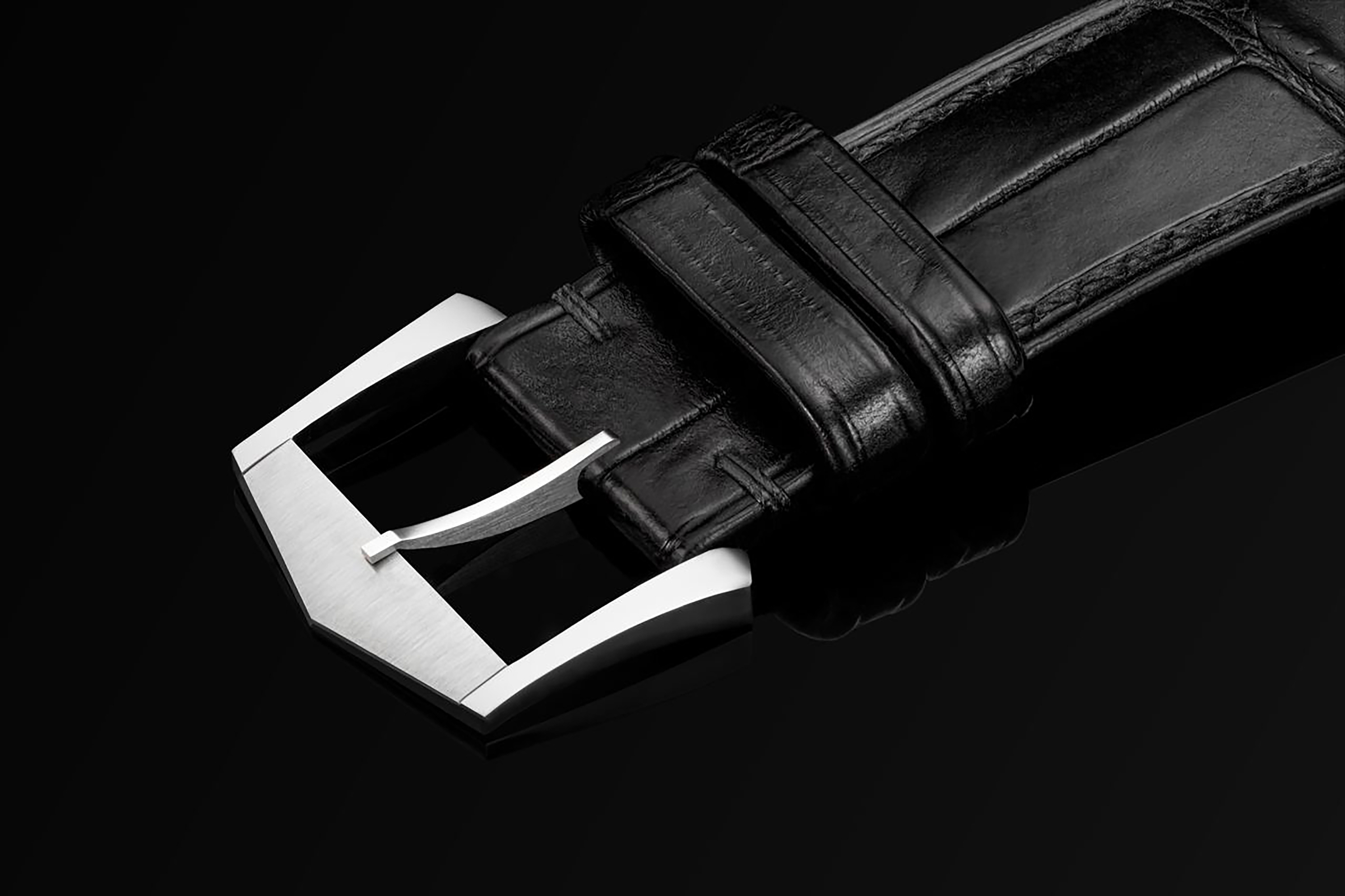
Concluding Thoughts
Rashid is a self-taught watch maker. At 26 years old he already has 11 years under his belt working on watches. Teaching himself by imitation from his early reference material (Watchmaking by George Daniels, Complicated Watches And Their Repair by Donald De Carle and Technology of Watch Production by Sergei Vasilievich [information sourced from watchaffinity.co.uk]) he has gone a long way towards his goal of making a complete watch. This series is an evolution of the Arrow, more refined, more craft, more time. If they appeal, don’t wait as this is 30 pieces and then done. Its my understanding that after this watch Rashid is moving onto his next watch project…watch this space.